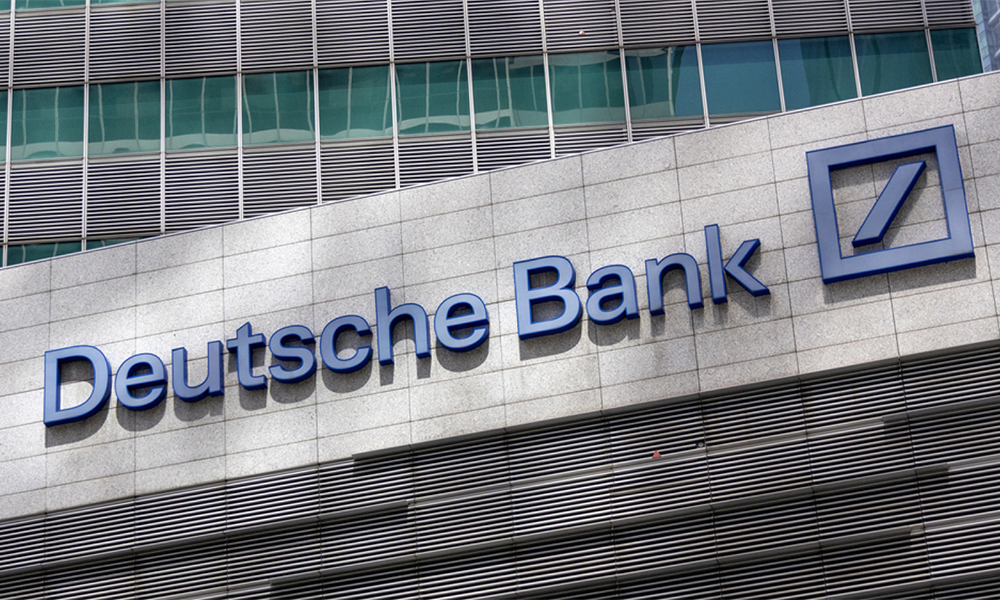
Deutsche Bank has launched a cryptocurrency custody service for institutional and corporate clients in Europe, allowing clients to store and transfer BTC, ETH and certain stablecoins through the German banking group.
On November 11, Reuters reported the launch of the service, which followed its September announcement of plans to enter the digital asset custody market. The offering covers Bitcoin (BTC), Ethereum (ETH), USD Coin (USDC), EURC and EURAU, with Deutsche Bank managing digital wallets and private keys on behalf of clients.
Paul Maley, global head of fiduciary management and securities services at Deutsche Bank, said the bank intends to expand its operations beyond asset custody and develop other blockchain-based financial services.
“In the medium term, we aim to build a fully integrated, regulated ecosystem that will support custody, tokenization and settlement of digital assets,” Maley said.
Deutsche Bank’s cryptocurrency custody service is open to institutional clients
In its September statement, Deutsche Bank outlined plans to provide custody services to institutional investors, asset managers, hedge funds, brokers, corporations and government agencies.
The service is now available to paying clients, although the bank has not yet named its first clients or disclosed the fees for digital asset custody.
Under the arrangement, Deutsche Bank takes on the technical infrastructure needed to store and transfer cryptocurrencies, including managing clients’ private keys. Clients can access the platform through the corporate banking system Autobahn.
Its digital asset custody platform offers hardware-protected private key storage, hot and cold wallets, multi-tier authorization controls and separate custody arrangements for clients’ assets.
The bank previously explained that its infrastructure will use external technology providers for certain technical services. Deutsche Bank has been partnering with the Swiss digital asset company Taurus since 2023 in the areas of custody and tokenization technology.
The initial launch depended on regulatory approval and was aimed at clients of the bank’s corporate and investment divisions.
The initial service is not offered to retail customers.