What is a stablecoin?
Stablecoins are cryptocurrency tokens whose prices are generally stabilized relative to fiat currencies, commodities or precious metals. US dollar-pegged tokens are the most common, but stablecoins have other uses as well. Because cryptocurrencies are highly volatile, there was a need for units with relatively stable value. This led to stablecoins, against which other cryptocurrencies are commonly traded on exchanges.
Fiat-backed stablecoins
Fiat-backed stablecoins are centralized stablecoins backed by fiat currencies (such as the US dollar (USD), euro (EUR), pound sterling (GBP), etc.).

Tether (USDT)

USDC (USDC)

BUSD (BUSD)

TrueUSD (TUSD)

Pax Dollar (USDP)

Gemini Dollar (GUSD)

Liquity USD (LUSD)

STASIS EURO (EURS)

EURC (EURC)
Algorithmic stablecoins
Algorithmic stablecoins are decentralized stablecoins whose peg is maintained by algorithms. Their collateral may change dynamically and include various stablecoins and cryptocurrencies.

Dai (DAI)

USDD (USDD)

Fei USD (FEI)

TerraClassicUSD (USTC)

Legacy Frax Dollar (FRAX)

USDX (USDX)

Wrapped Ampleforth (WAMPL)

Mento Dollar (USDM)

Synthetix sUSD (SUSD)

Mento Euro (EURM)

TOR (TOR)

Parallel (PAR)
Commodity-backed stablecoins
Commodity-backed stablecoins are centralized stablecoins backed by commodities such as precious metals or oil. They operate similarly to fiat-backed stablecoins but use different collateral.

PAX Gold (PAXG)

Tether Gold (XAUT)
Cryptocurrency News
- CoinDCX acknowledged losses of $15.99 million.

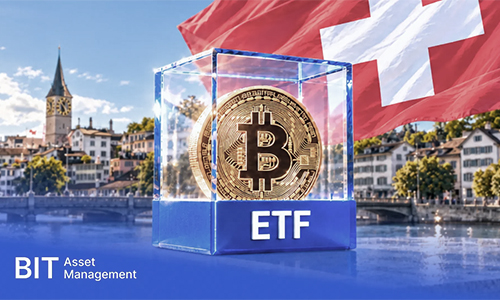
- Switzerland’s first retail Bitcoin ETF is planned to launch in November
- Tether gets backing from 15 mining companies
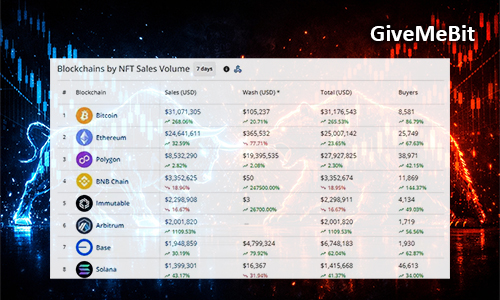
- Sales of NFT rose by 66.58% to $76.56 million
- Katana Inu has launched into early access
- Initia halts blockchain operations over a $2.6 million hack.
- European Solana validators control 72.8% of staked SOL
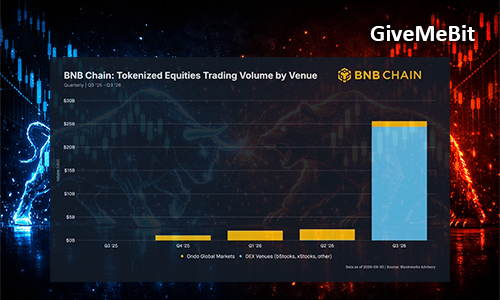
- BNB Chain took 1 place in trading volume of tokenized stocks